
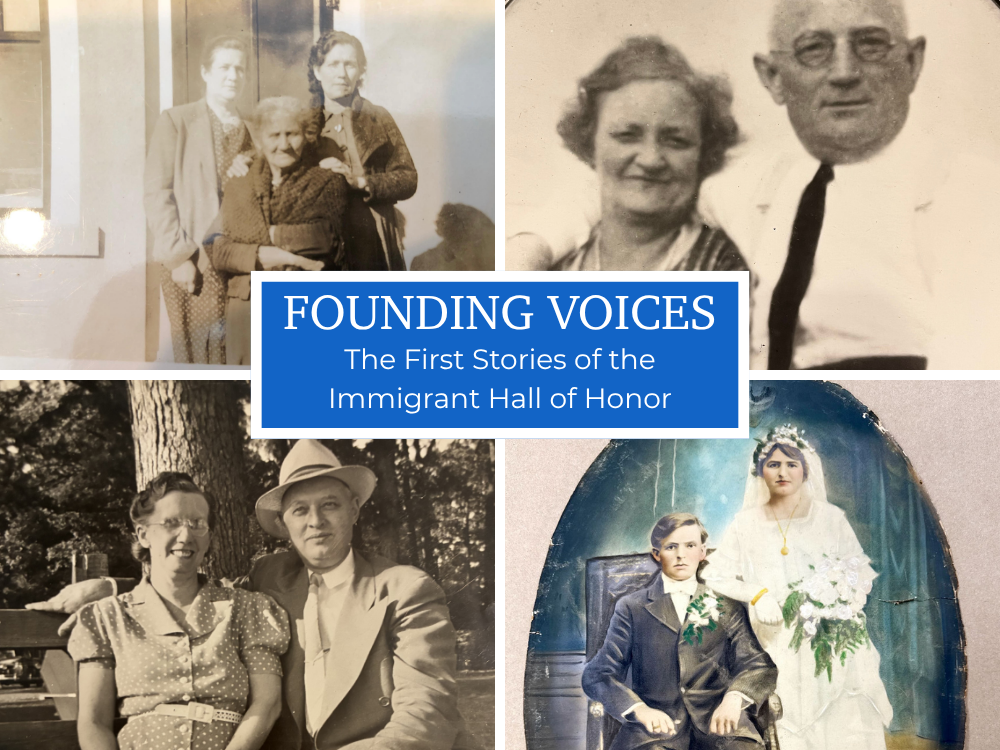
Immigrant Hall of Honor Unveils Its First Immigration Stories in New Founding Voices Archive
The new online collection honors the first supporters of the Immigrant Hall of Honor while inviting Americans to preserve and share the immigration stories that shaped their families.
The Immigrant Hall of Honor has launched its Founding Voices archive, a new online collection of family immigration stories documenting the experiences of immigrants in the United States.
The archive grew out of the organization’s ongoing Founding Voices campaign, which invites supporters to help lay the foundation for the Immigrant Hall of Honor through financial contributions and/or story submissions. In addition to recognizing these early supporters, the archive is intended to encourage Americans to research, document and preserve their own families’ immigration histories.
The first published stories come from members of the Immigrant Hall of Honor’s board and staff, whose family histories span Mexico, Germany, Eastern Europe and Sweden.
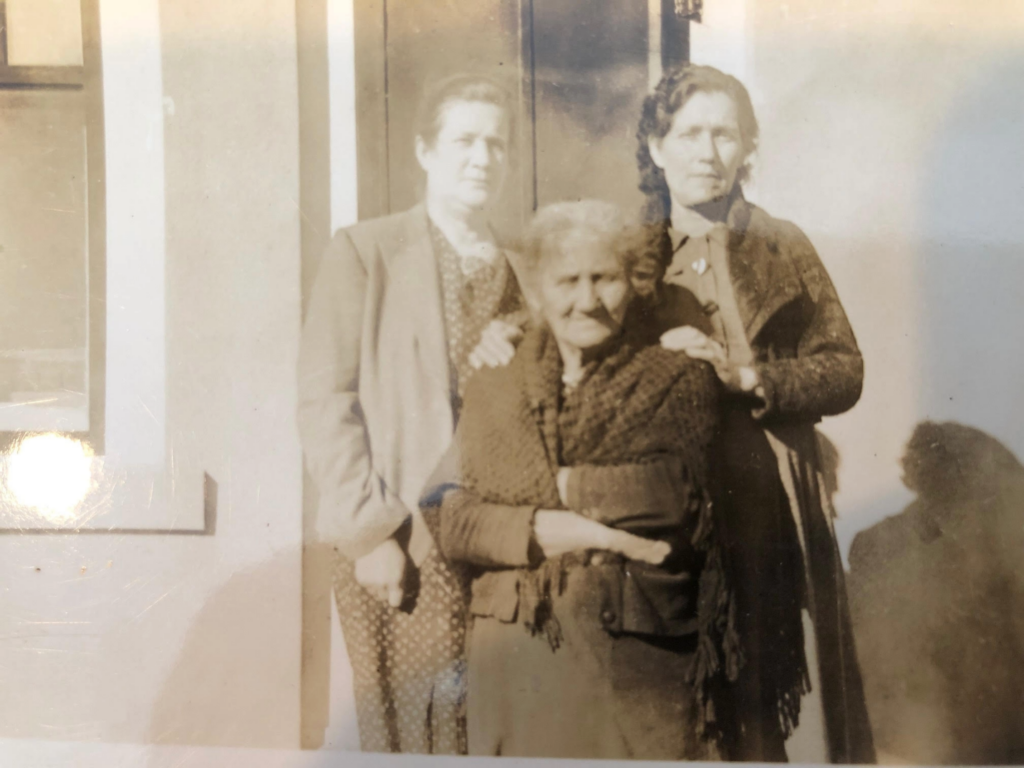
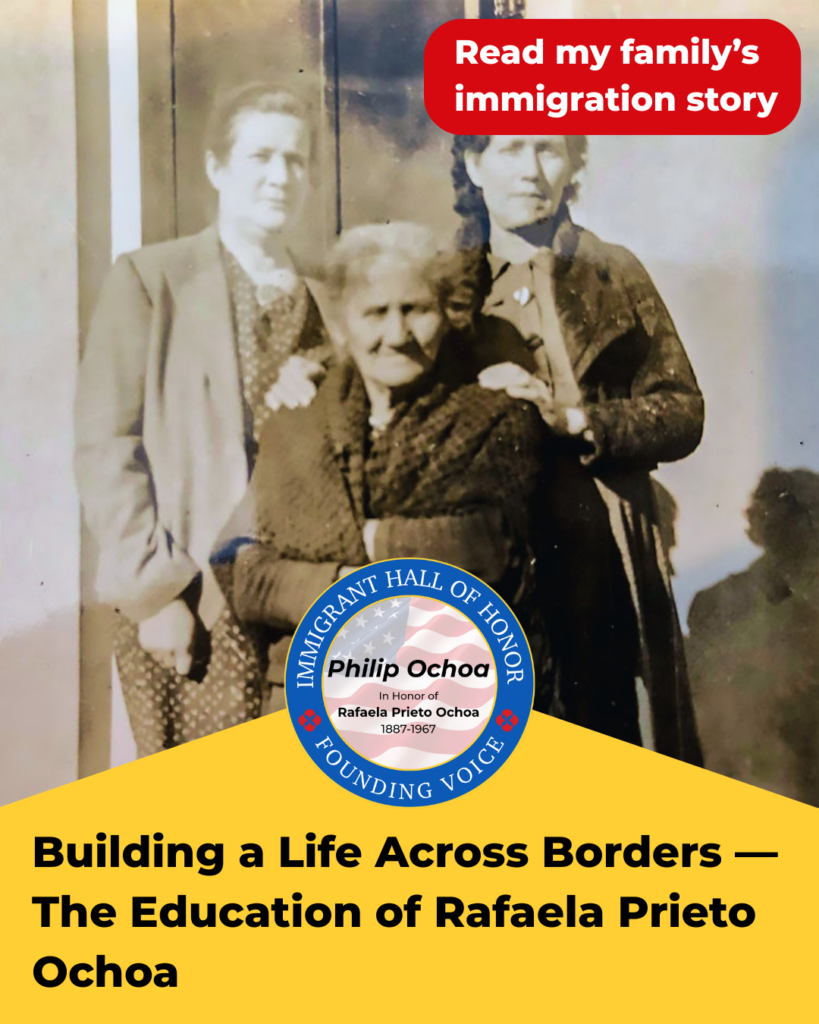
Immigrant Hall of Honor Board President Philip Ochoa shares the story of his grandmother, Rafaela Prieto Núñez, who left Mexico for Laredo, Texas, in 1904 to pursue an education. She remained in Laredo for much of her life, marrying and raising 10 children while living through a period of significant change along the U.S.-Mexico border.
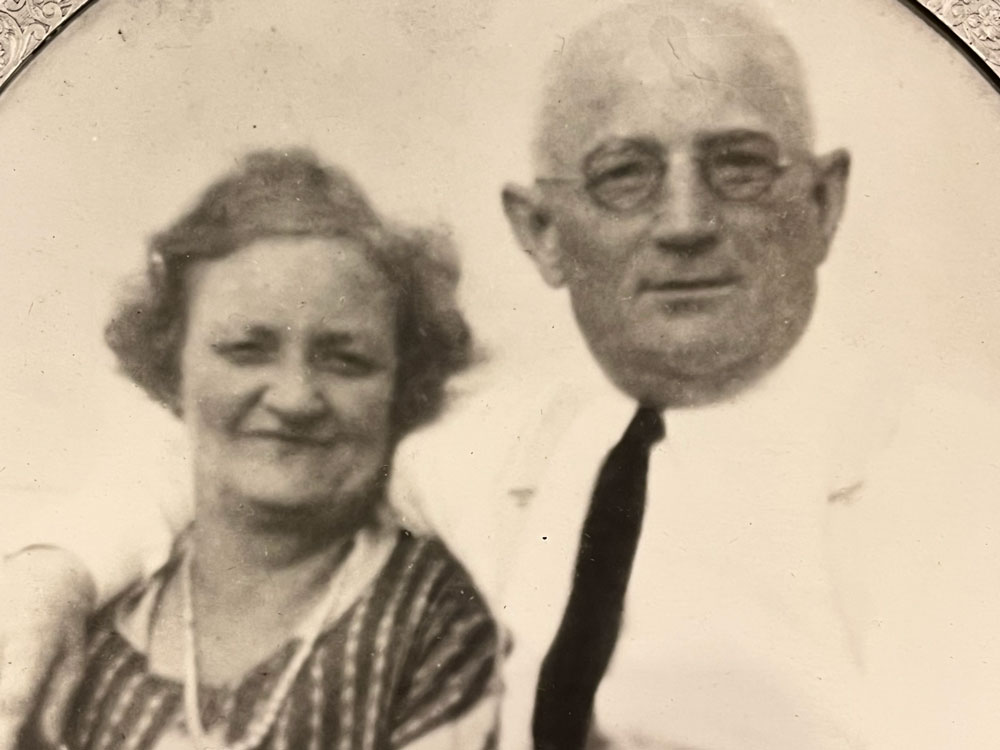
Board Member Jim Witte traces his family history to his great-grandfather William Witte, who immigrated from Uchte, Germany. A farmer after arriving in the United States, Witte later founded Ridgewood Savings Bank as Queens, New York, transformed from farmland into rapidly expanding residential communities.
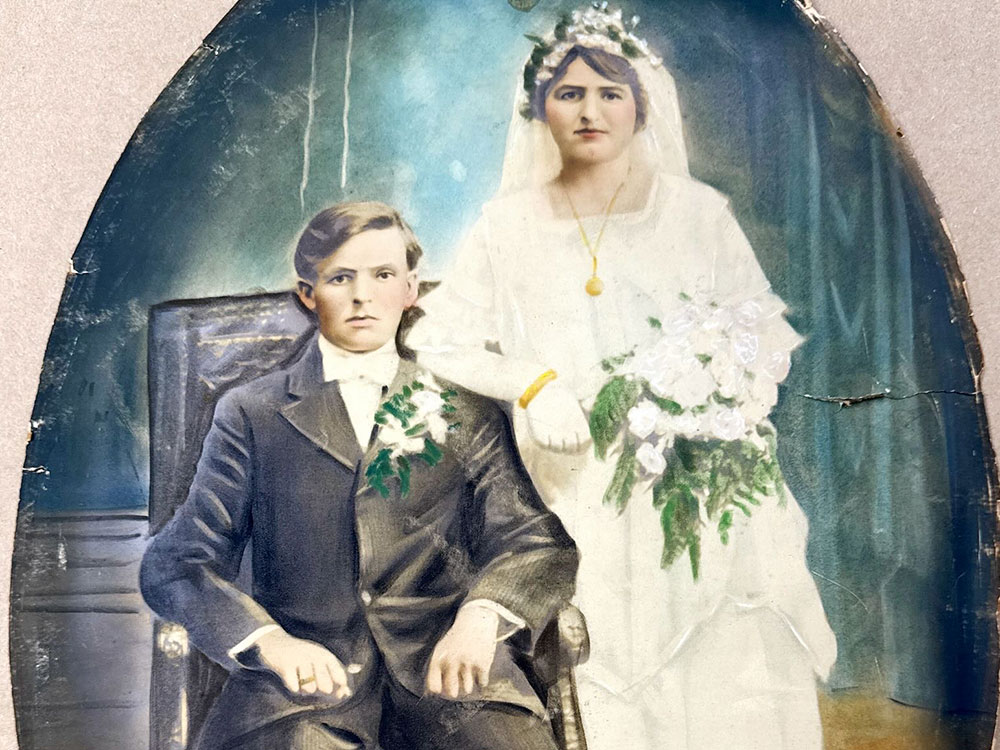
Board Member Ken Koskay’s research into his grandfather, Konstanti Cybulski, uncovered a more complicated story of nationality and migration. Although the family had long understood Cybulski to be Polish, he was born during a period when Poland did not exist as an independent country. His birthplace in the Bialystok region was then controlled by the Russian Empire following the partition of Polish lands among Russia, Prussia and Austria.
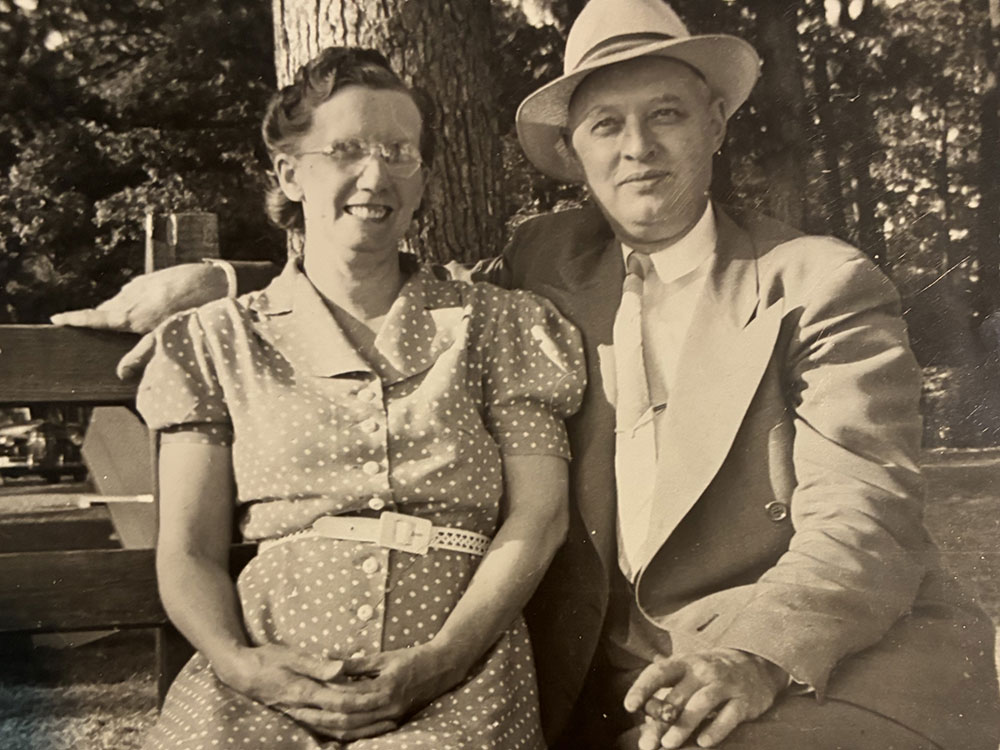
Immigrant Hall of Honor Marketing & Communications Manager Jennifer Ring researched the story of her great-grandfather Oscar Johanson, a Swedish immigrant who became part of Chicago’s growing Swedish American community in the early 20th century. Ring’s research connected Johanson’s family history with broader changes occurring in American society during his lifetime, including two world wars, the Great Depression and transformations in the practice of pharmacy and medicine.
Together, the four stories demonstrate one of the goals behind the Founding Voices project: connecting individual family histories to the larger historical forces that shaped immigration and life in the United States.
Each story accepted into the Founding Voices archive is hosted by the Immigrant Hall of Honor on its own dedicated webpage and URL, creating a permanent online home where contributors can share their family’s history with relatives, friends and future generations.
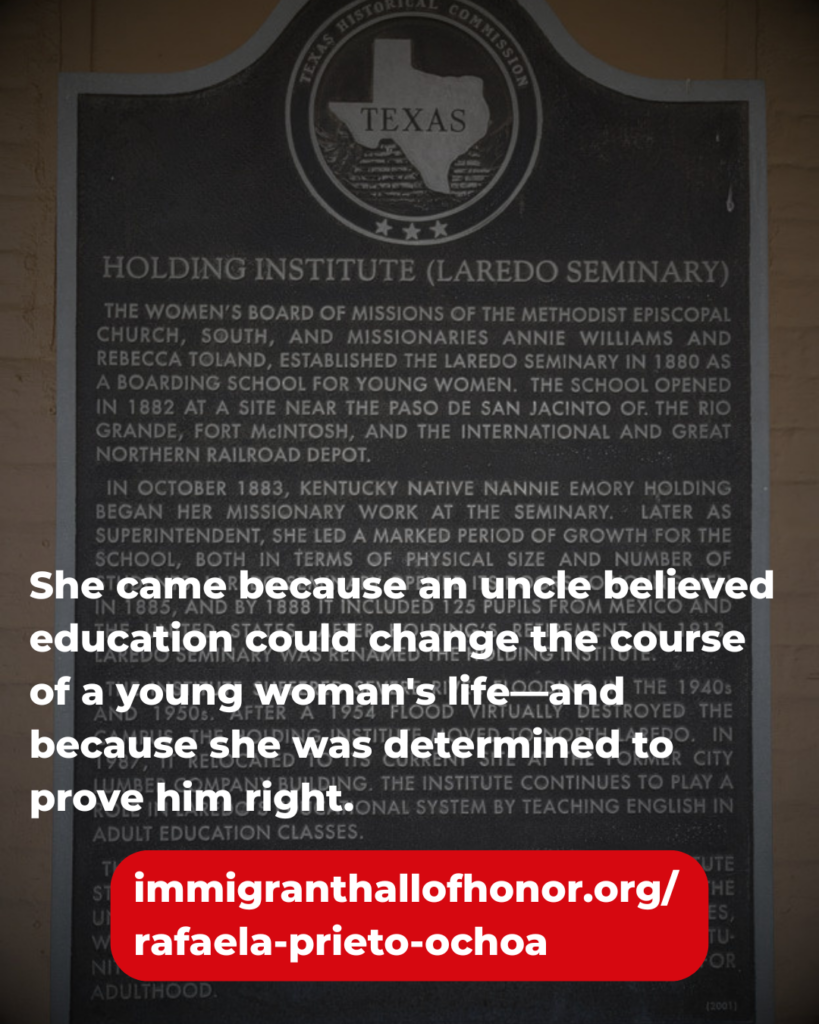
Story contributors also receive a customized social media graphic designed to make their story easy to share through their own networks.
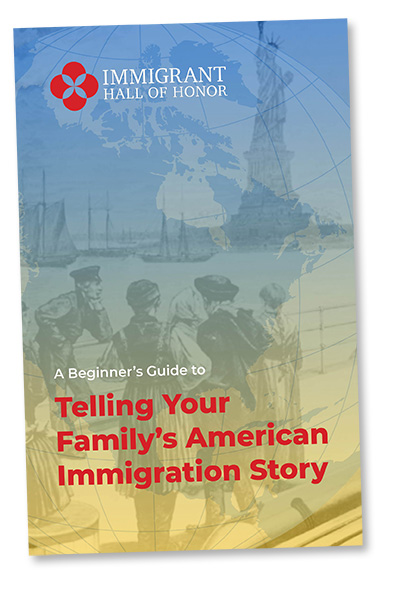
The organization has also developed resources to assist people interested in researching and documenting their families’ immigration histories, including its free “A Beginner’s Guide to Telling Your Family’s American Immigration Story.” The guide offers approaches for immigrants documenting their own experiences, family members conducting oral history interviews and descendants researching ancestors whose stories may require historical or genealogical research.
The Founding Voices archive will continue to expand as additional stories are submitted through Immigrant Hall of Honor’s online story submission portal and published.
Through the project, the Immigrant Hall of Honor aims to create a growing record of the individual lives behind America’s immigration history — documenting not only when and where people arrived, but the families, communities, institutions and legacies they built after making the United States their home.
Stay Up to Date with IHH
Get the latest news, inspiring immigrant stories, and updates from the Immigrant Hall of Honor delivered straight to your inbox.
Monthly stories and updates from the Immigrant Hall of Honor. Unsubscribe at any time.