THE MAP OF US
MEXICO
Mexican immigration to the United States has a long history, shaped by shifting borders, labor migration, and economic and political change. Following the Mexican-American War and the 1848 Treaty of Guadalupe Hidalgo, thousands of Mexican residents of what became the American Southwest found themselves living in the United States. Migration increased in the late 19th and early 20th centuries as Mexican workers joined the agricultural, mining, and railroad industries, while the Mexican Revolution (1910–1920) prompted many to flee violence and instability. During World War II, the 1942–1964 Bracero Program brought millions of Mexican workers to the United States for temporary agricultural employment. After the program ended, migration continued, increasingly shaped by family reunification, economic opportunity, and changing immigration policies. While California and Texas became major centers of Mexican American life, Mexican immigrants and their descendants established communities throughout the country, contributing to American agriculture, industry, business, arts, food, music and culture.
INDUCTEES
No posts
COMMUNITY STORIES
-
Across the Rio Grande—The Education of Rafaela Prieto Ochoa
When Rafaela Prieto Núñez crossed the Rio Grande to attend school in Laredo, Texas, she was only 16 years old. She did not arrive by chance. She came because an uncle believed that education could change the course of a young woman’s life—and because she was determined to prove him right.

BEYOND THE STORIES
-
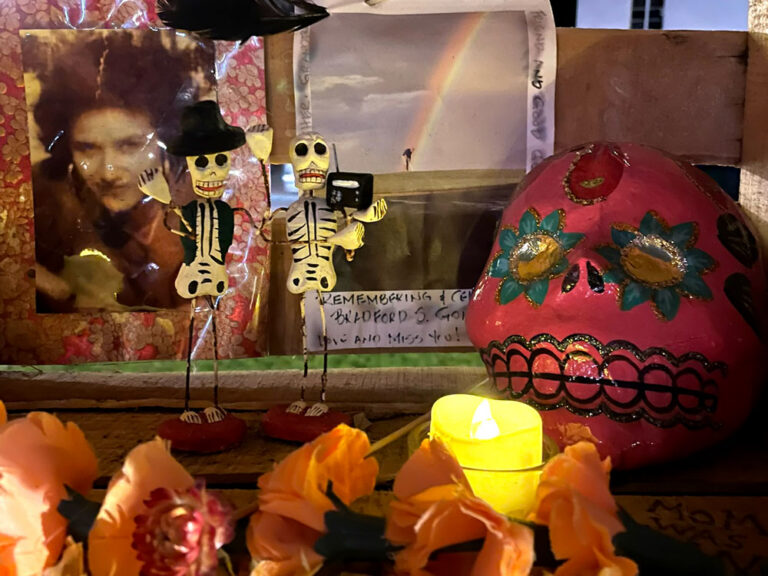
What We Bring With Us: Día de Los Muertos
Días de Muertos is a cultural celebration rooted in Aztec traditions and shaped by Catholic influences, honoring loved ones who have passed. Today, the tradition lives on in Mexico and Latino communities across the United States, bringing families together to remember, celebrate, and welcome the return of departed loved ones.