THE MAP OF US
CUBA
Cuban immigration to the United States has a long history, beginning with tobacco workers who traveled between Cuba and Florida in the 19th century and helped establish Cuban communities in Key West and Tampa’s Ybor City. Large-scale migration accelerated after Fidel Castro’s revolution in 1959, as Cubans left amid political repression and economic upheaval. Major waves included the early post-revolution exodus of professionals and others opposed to the new government, the 1965–73 Freedom Flights, the 1980 Mariel boatlift, and the migration of the balseros during the economic crisis of the 1990s. While Florida—particularly Miami—became the center of Cuban American life, Cuban immigrants also established communities in places including New Jersey, New York, California, and Illinois. Together, these successive waves have made Cuban Americans one of the country’s most established immigrant communities, with a lasting influence on American business, politics, arts, food, music and culture.
INDUCTEES
-
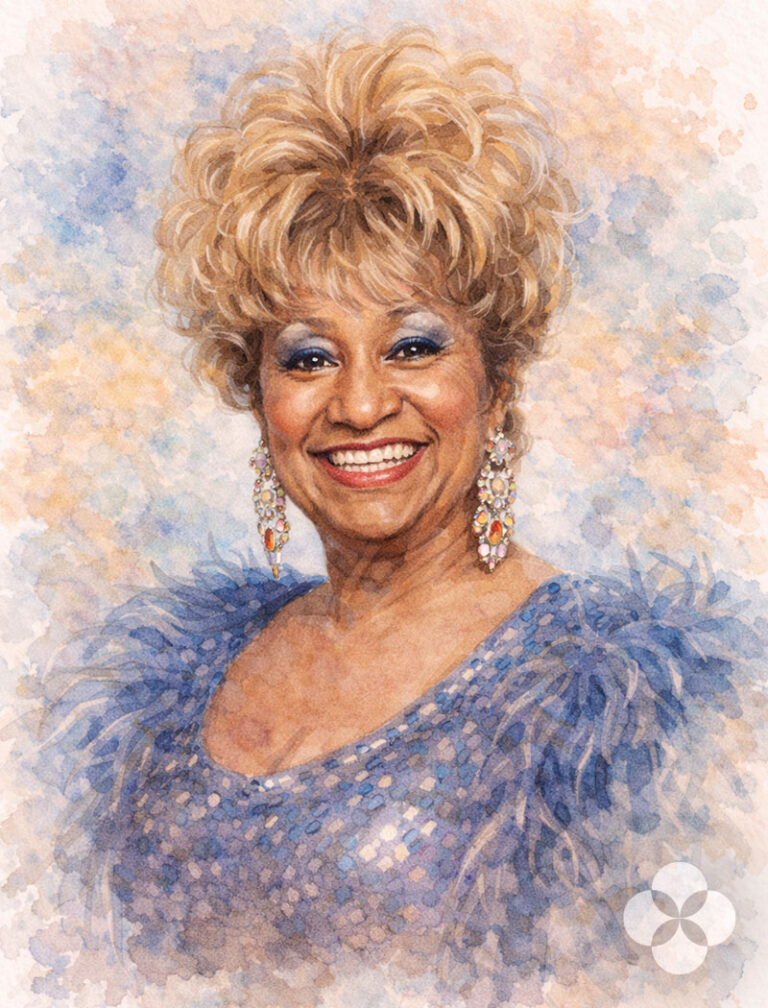
Inductee Celia Cruz
Celia Cruz, known as the “Queen of Salsa,” was a Cuban-American singer whose powerful voice and vibrant style revolutionized Latin music.
COMMUNITY STORIES
-
Tampa Artist Tatiana Mesa Paján Remembers Havana in Her Art
How do you hold on to home when it’s time to leave? For Cuban-born artist Tatiana Mesa Paján, it was through the careful collection of objects. Before leaving Cuba, Mesa Paján took a series of walks through the city, collecting discarded objects along the way.

BEYOND THE STORIES
-
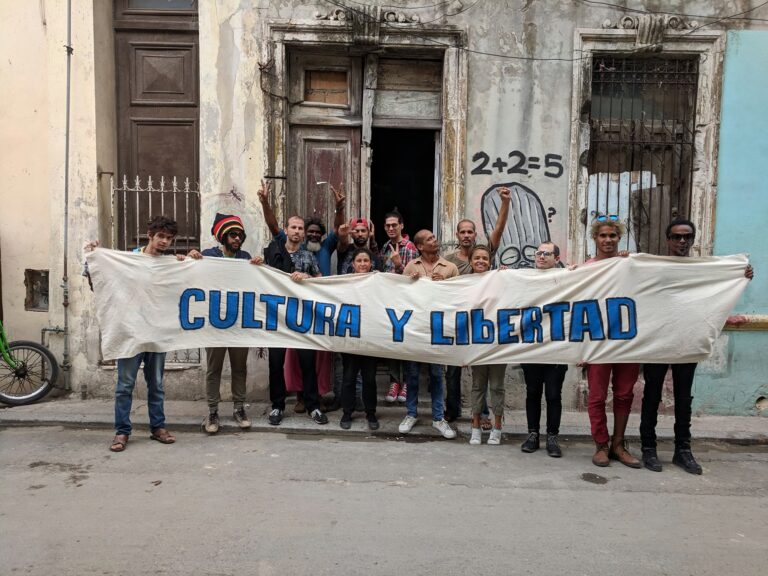
The Artists Who Challenged Cuba’s Cultural Silence
In 2018, a group of Cuban artists and other independent cultural figures began pushing back against a government regulation that sought to place greater control over artistic expression. Their movement would become known as the Movimiento San Isidro (MSI). What began as a fight over artistic freedom would eventually become part of a much larger story of dissent in Cuba.