
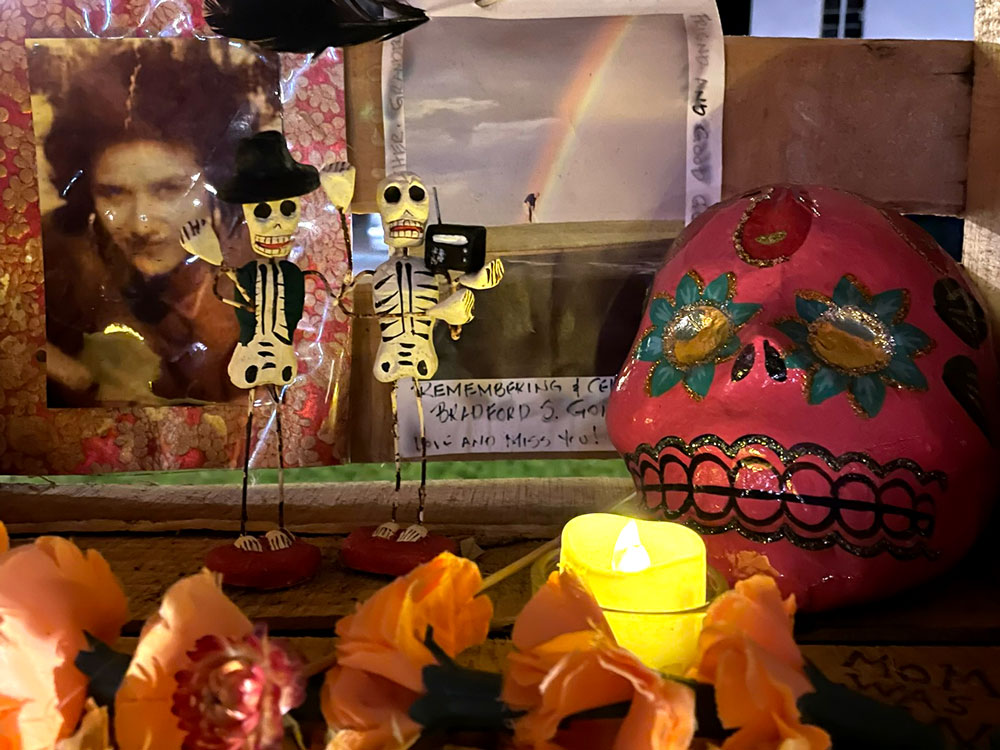
What We Bring With Us: Día de Los Muertos
Días de Muertos (Days of the Dead) is a unique celebration that originates from Aztec roots in central Mexico. Aztecs used skulls to honor the dead, but after the Spanish invasion in the 16th century, the Catholic Church fused these rituals to dates commemorating All Saints Day and All Souls Day on November 1 and 2. These dates also happen to coincide with the return of monarch butterflies to the mountains of central Mexico each fall. In the highlands of central Mexico, the monarch’s arrival represents the souls of past loved ones returning to visit each year.
This cultural blend of belief systems not only took hold in Mexico, but has since spread throughout Latino communities in the United States as Mexican immigration increased over the years. It takes place between October 31 and November 4, but families often begin preparing for it during the month of October.
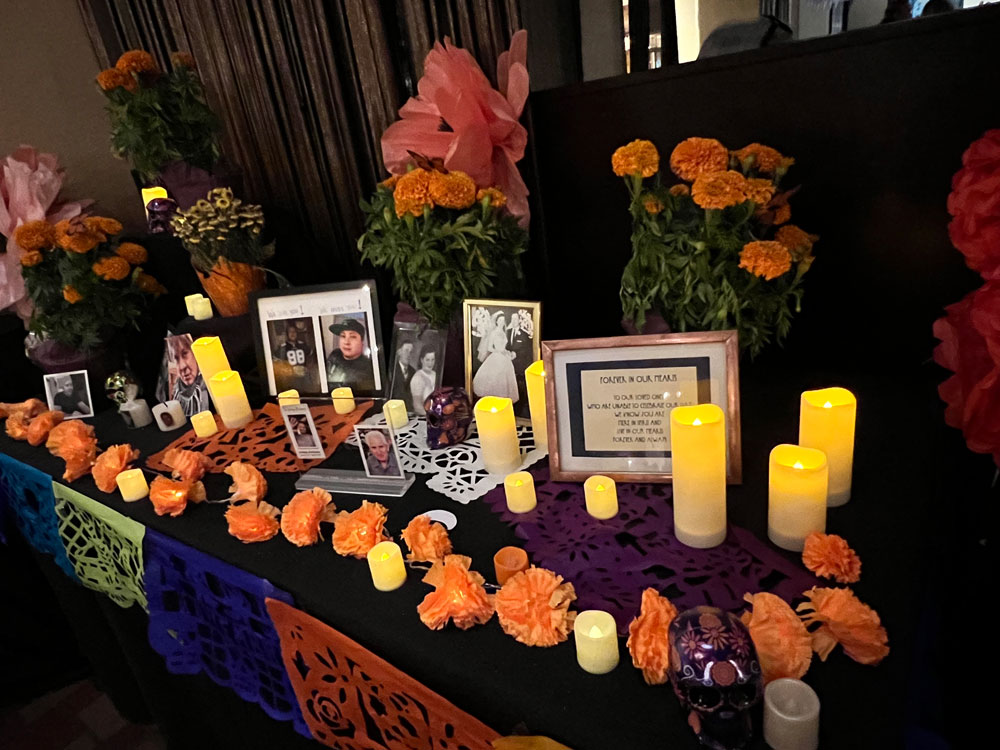
Ofrendas
In preparation for Días de Muertos, families clean the graves of loved ones and create ofrendas, which translates as offerings. Offerings are set upon altars designed for beloved ancestors.
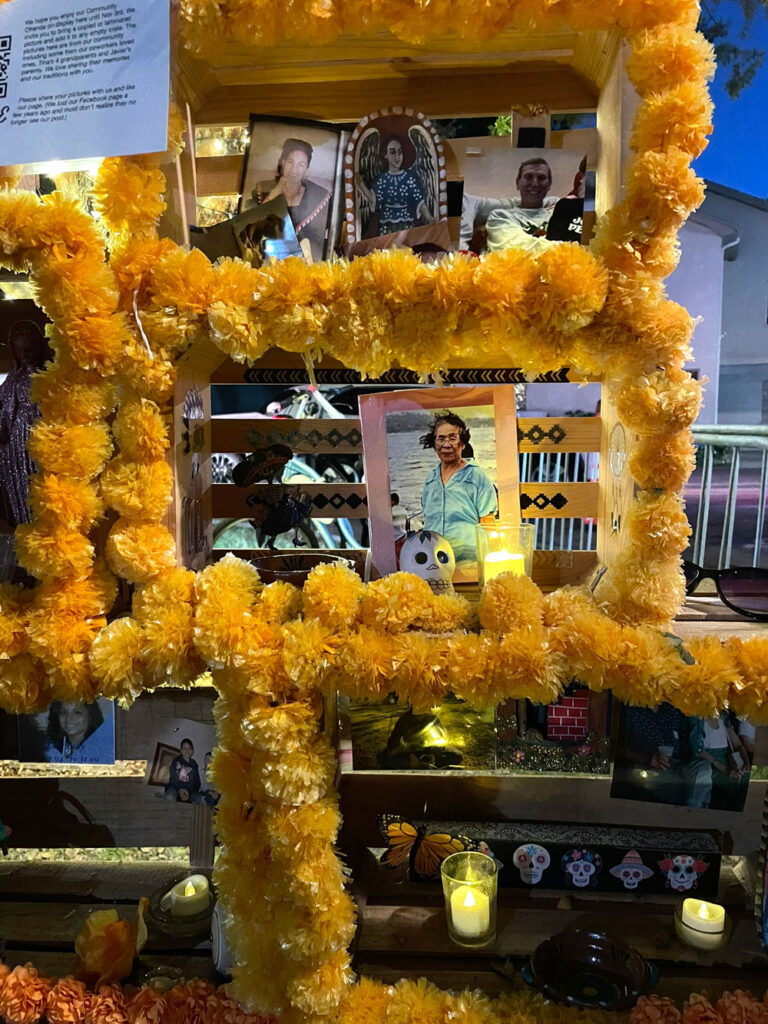
One can find ofrendas at both cemeteries and in homes, in museums and at Mexican restaurants and even across airports in Mexico.
Items placed on altars include cempazúchitl (yellow and orange marigolds that send their fragrance for the departed souls to help guide them), personal items that once belonged to one’s ancestors, photos of past loved ones, favorite foods, candles (to light the way for the dead) and papel picado (intricately cut tissue paper in bright colors that hang like little flags around the altar).
In addition to all of this, there are also plenty of calaveras (skulls) that can be painted ceramic or made of sugar. In Spanish, loved ones who have died are called muertos or muertitos. This is a time to honor beloved ancestors and encourage them to visit by creating offerings that appeal to them.
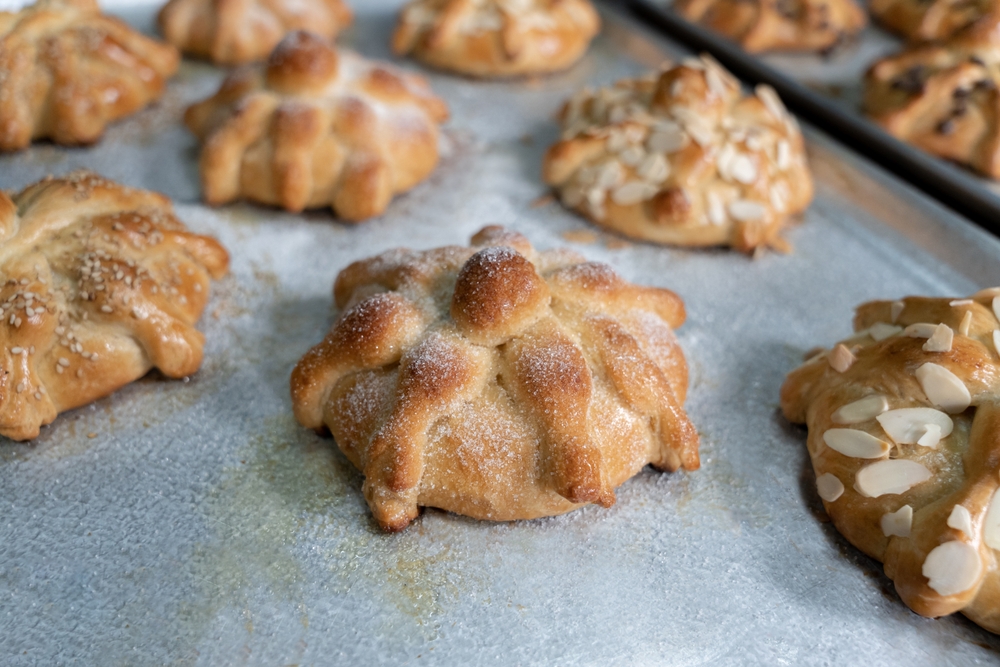
There is also a particular bread, called pan de muerto, which is a sweet bread made with anise and decorated with crossed bones on top, that is baked during this time.
Incense
Another prominent feature during Días de Muertos celebrations is the copal incense, which is derived from the Copal tree in Mexico and Central America. Its aromatic resin is secreted from the interior and offers a defensive advantage against herbivores, parasites and pathogens due to its toxicity towards these predators. It has curative properties and has been used for centuries for smudging or clearing the space for sacred rituals. Other types of sacred incense, like Palo Santo, which is made from a tree found in South America and belongs to the same botanical family as copal, may also be used.
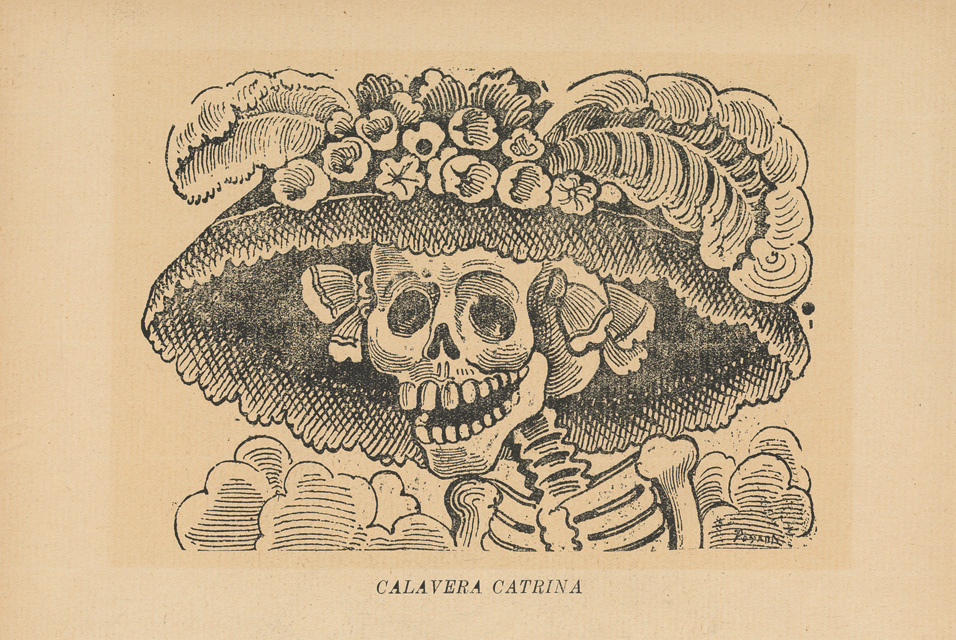
La Catrina
In Mexico during the early 20th century, printmaker and lithographer Jose Guadalupe Posada used images of skulls and skeletal figures in his art, commenting on revolutionary politics, religion and death. His most well-known work, La Calavera Catrina, or The Elegant Skull, is a 1910 zinc etching featuring a female skeleton. It is a satirical work meant to portray a woman covering up her Indigenous cultural heritage with a French dress, a fancy hat, and makeup to make her skin look whiter. La Catrina has become one of the most recognizable symbols associated with Día de los Muertos.
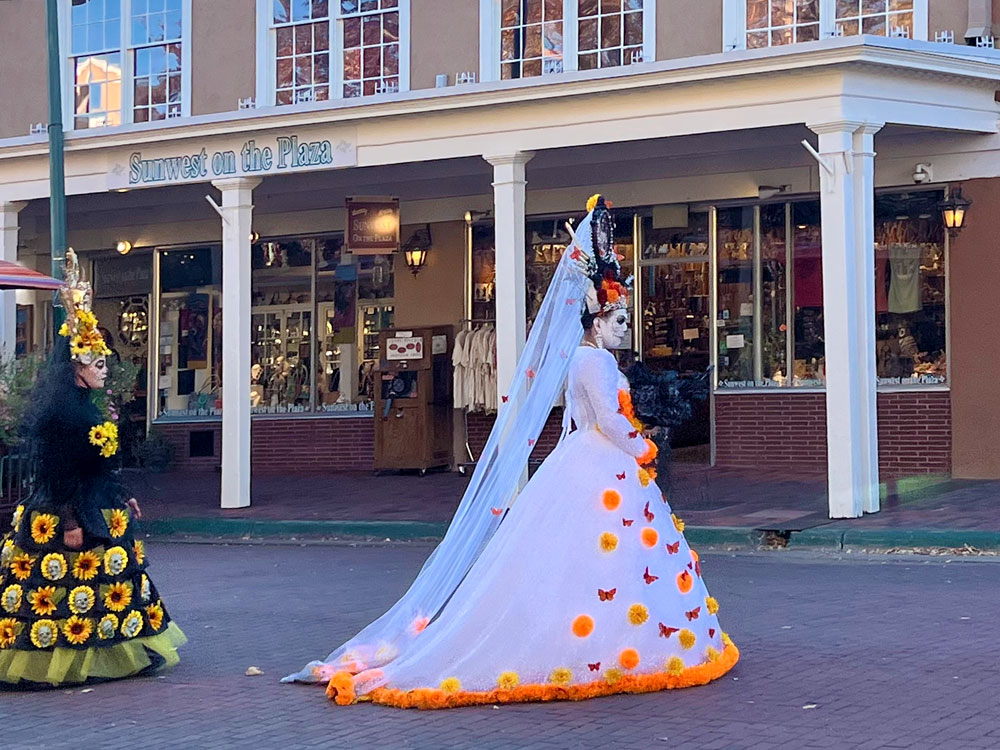
Women dress as catrinas with elaborate coronas (crowns) of flowers and brightly colored dresses. Throughout the United States and Mexico there are celebrations and parades with Las Catrinas in brilliant attire.
Keeping the Tradition Alive
Across the United States, families, Mexican-owned businesses, and community organizations are finding meaningful ways to celebrate and share the traditions of Día de los Muertos. From preparing traditional foods and creating ofrendas to hosting community celebrations, these practices honor departed loved ones and help connect new generations with their Mexican heritage.
How does your family or business celebrate Día de los Muertos? Tell us about the traditions, recipes, memories or community events that make the holiday meaningful to you. Whether you’re sharing a family tradition, a restaurant’s special celebration, or a community event, your story could be featured here as part of IHH’s Keeping the Tradition Alive series.