
Stitching a New Life: Fannie Faigen and New York’s Immigrant Garment Industry
FOUNDING VOICES
Don Goldstein
Story and family photographs contributed by Don Goldstein
Edited by the Immigrant Hall of Honor Editorial Team.
|
Born |
1892 in Tolochin, Russia (now Talachyn, Belarus) |
|---|---|
|
Arrived in the U.S. |
1909 |
|
Settled in |
Brooklyn, NY |
|
Occupation(s) |
Seamstress |
|
Died |
1974 |
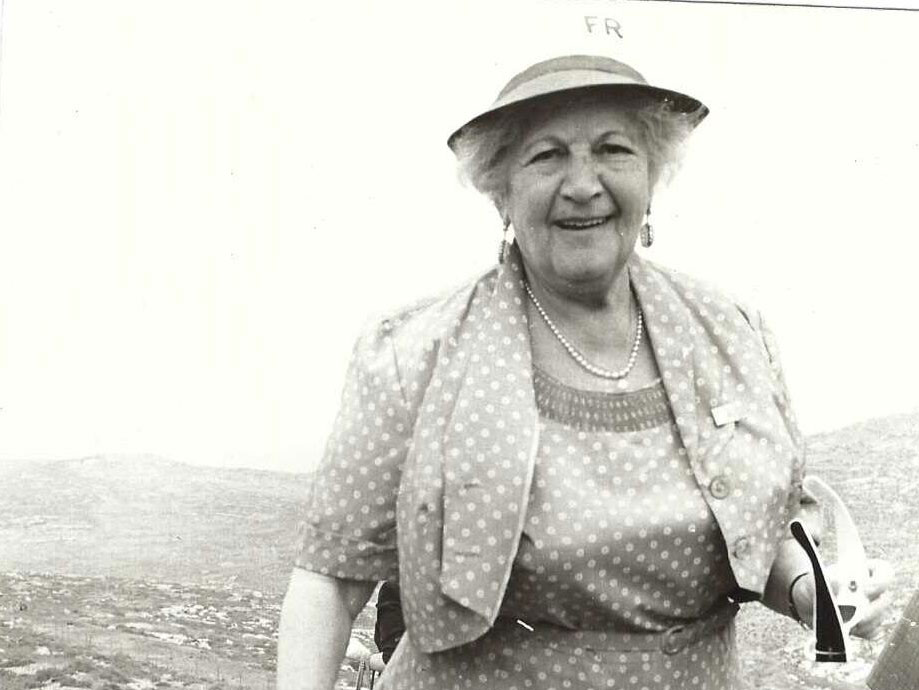
Fannie Faigen immigrated from Tolochin, Russia (now Talachyn, Belarus) to Brooklyn, NY in 1909. At age 17, she found work in New York’s growing garment industry and built a life in one of the city’s burgeoning Jewish immigrant neighborhoods.
Fannie arrives in Brooklyn
Born in 1892, Fannie was the second oldest of five siblings. Her father, Solomon, fearing that he would have to fight in the Russo-Japanese War, left the family with his eldest daughter, and both came to America. Eventually, they saved enough money to bring Fannie and the rest of the family to America.
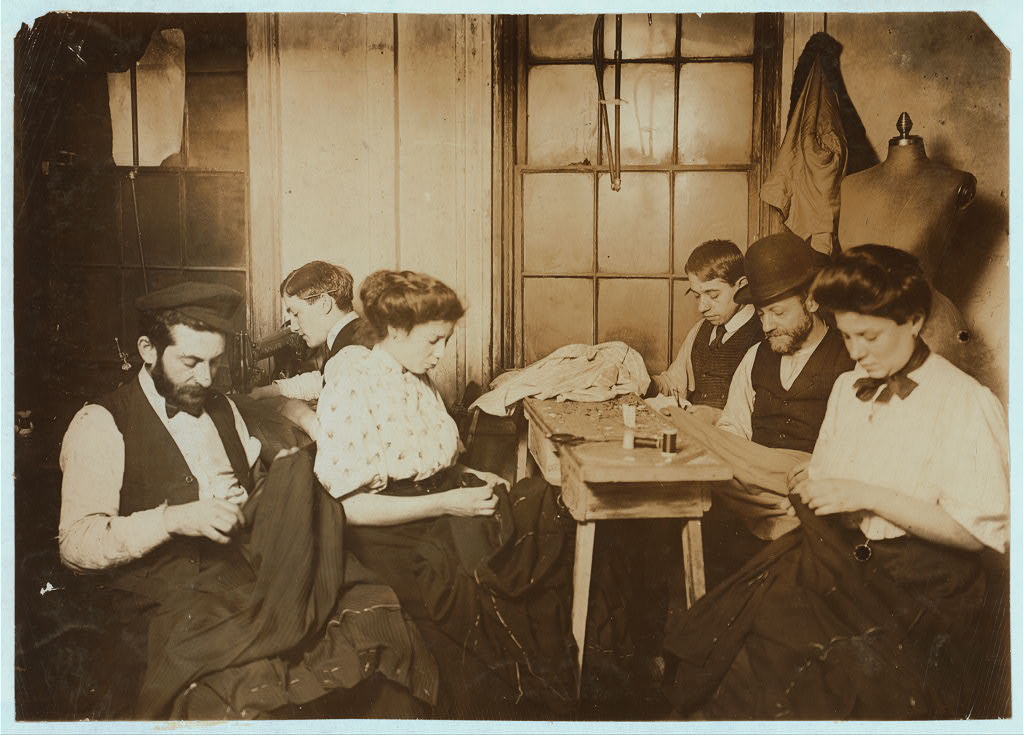
By 1910, the Faigen family was living together in Brooklyn’s 26th Ward, part of the Brownsville neighborhood. The census lists 17-year-old Fannie’s occupation as “operator”—a term commonly used for workers operating sewing machines in New York’s enormous garment industry.
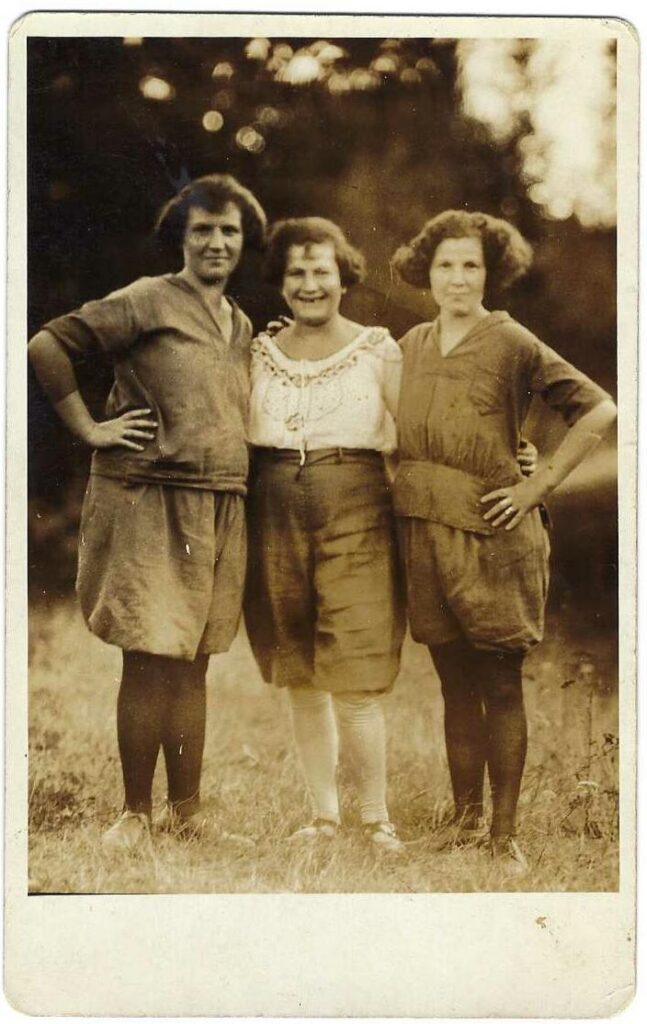
Brownsville was changing almost daily. Just a few decades earlier, the Brooklyn neighborhood had been largely farmland; now it was becoming one of the largest Jewish immigrant communities in New York. Thousands of Jewish immigrants from Eastern Europe had moved there from Manhattan’s crowded Lower East Side, drawn by cheaper housing and the promise of more space. New transportation links—including subway service that began in 1908—made the journey across the East River easier. By the time Fannie arrived, Jewish families had filled the neighborhood with synagogues, shops, schools, mutual-aid societies and garment workshops.
A life in the garment trade
Fannie was one of thousands of Jewish immigrant women who found employment in New York’s garment trades during this period. Brooklyn’s growing Jewish neighborhoods provided a community where newly arrived immigrants from Eastern Europe could live, work and build new lives while still speaking the language of home—in Fannie’s case, Yiddish.
Meanwhile, a young Russian immigrant named David Yudin was building his own life in Brooklyn. David arrived in the United States in 1906 and, by 1910, was living on Graham Avenue in Williamsburg. His census record lists his occupation as “sweater,” a term used in the garment trade for a contractor or subcontractor who obtained clothing work from manufacturers and distributed it to workers. Fannie and David were part of the same vast immigrant garment economy, though they lived in different Brooklyn neighborhoods.
Somehow, their paths eventually crossed.
Building a Family in Brooklyn
Fannie and David were married on August 28, 1915. They had three children: Lester, Ruth and Selma.
Together, they made a life in Brooklyn. They were avid Brooklyn Dodgers fans and enjoyed going to games on Ladies Day. The Dodgers became woven into the family’s life, as they did for generations of Brooklyn residents. When the team left Brooklyn for California after the 1957 season, Fannie found a new team to follow: the New York Mets.
The Mets gave Fannie something remarkable to celebrate. In 1969, the young expansion team known as the “Miracle Mets” won the World Series—their first championship.
But baseball was only part of Fannie’s family life.
She enjoyed her grandchildren and celebrating all the family events. Her grandson Don remembers spending summers with her and other family members in Rockaway, New York. And he remembers something else: Fannie’s cinnamon cookies.
She made the most delicious cinnamon cookies that no one can duplicate.
don goldstein
That recipe may be lost, but Fannie’s story is not.
Fannie died in 1974, nearly 65 years after she arrived in America as a 17-year-old girl. She had come from a Yiddish-speaking Jewish community in Talachyn, crossed an ocean and entered the crowded immigrant neighborhoods and garment workshops of Brooklyn. She built a family, followed two generations of New York baseball, and gave her grandchildren memories of summers together and cookies that became uniquely hers.
The Place They Left Behind
There is another, more difficult chapter to the story of the place Fannie left behind.
It was a good thing that Solomon and his family left Belarus, because the shtetel (village), was destroyed by Hilter’s army during World War II
don goldstein
German forces occupied the town in 1941 and established a ghetto; in March 1942, approximately 2,000 Jews from Talachyn and surrounding villages were murdered.
Fannie had been gone for more than three decades by then. But knowing what ultimately happened to the community her family had left behind gives Solomon’s decision to bring his family to America a haunting significance.
The Faigens left Talachyn. Fannie found a new home in Brooklyn.
And generations later, her family still remembers her—not simply as an immigrant who crossed an ocean, or a seamstress, but as a grandmother who loved baseball, celebrated her family and made cinnamon cookies that nobody could quite make the same way.
Inspired by this Story?
Discover more inspiring immigrant stories and learn how immigrants have shaped American history. Subscribe to the Immigrant Hall of Honor’s monthly e-newsletter.
Monthly stories and updates from the Immigrant Hall of Honor. Unsubscribe at any time.